
Superfoil Insulation Hampshire
Superfoil Insulation Services in Hampshire
Superfoil insulation is one of the advanced products we offer for homes that need high performance in tight spaces. It combines reflective layers and smart build-ups to cut heat loss, protect against condensation, and free up valuable head height in lofts and roof spaces. When we design a project with Superfoil, we look at your whole home, including how you use each room, your existing fabric, and your future plans, which lets the insulation, ventilation, and heating work together to deliver long-term comfort and efficiency.
Most often fitted as part of a roof insulation system, Superfoil usually costs £1,200–£1,800 depending on property size, and a standard installation is often completed in 4–6 hours.
We are fully certified to undertake Superfoil Insulation installation. Take a look at our Superfoil Insulation Certifications here.
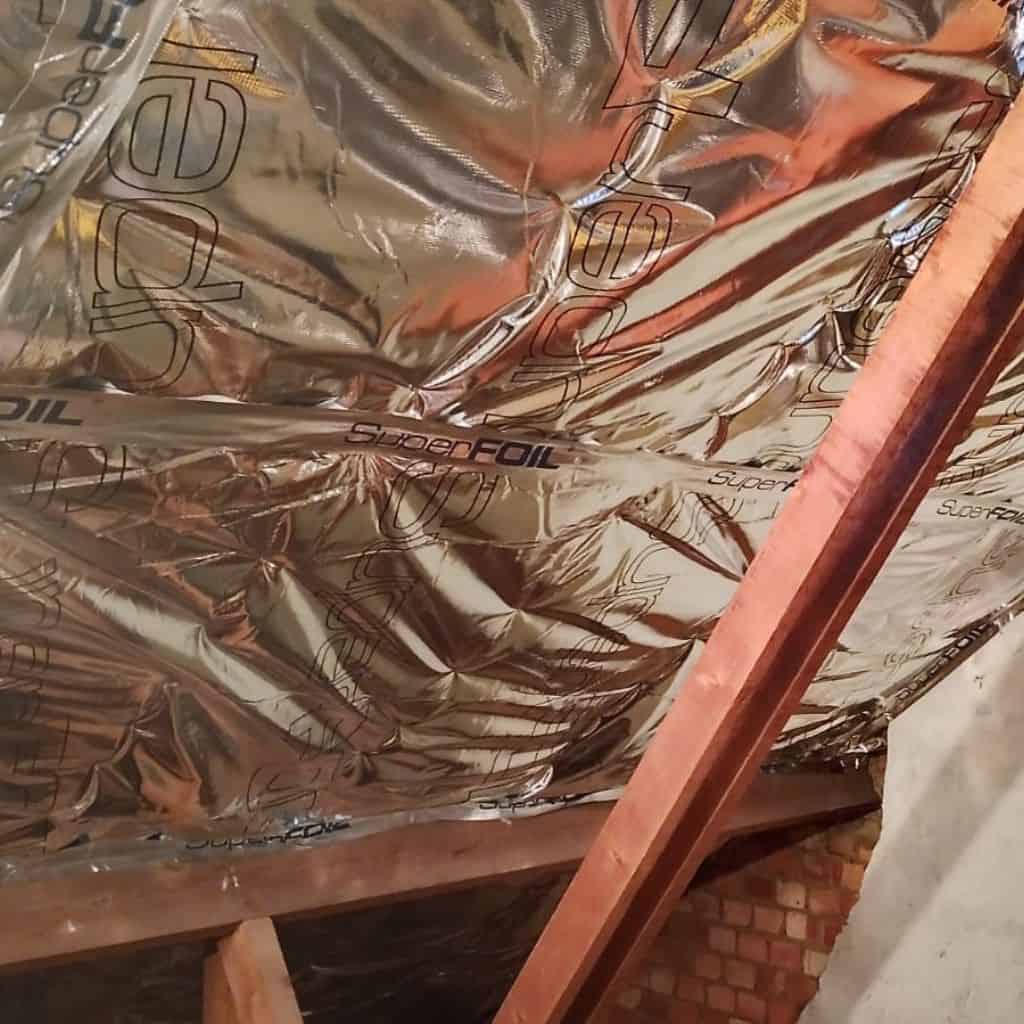
What is Superfoil insulation and how does it work?
Superfoil insulation is a certified 3-in-1 product that combines high-performance insulation, a built-in vapour control layer (VCL), and a radiant barrier, all in one slim, lightweight sheet. We use it at Loft Insulation Specialists to deliver building regulation compliance, easy installation without specialist tools, and sustainable benefits from up to 40% recycled content that’s fully recyclable over a 50+ year lifespan.
What Superfoil Insulation Is
Superfoil is a multifunctional multifoil insulation designed for new build, retrofit, timber-frame, and other projects.
It integrates insulation, VCL, and radiant barrier properties to simplify installations while maintaining a slim profile that maximises usable space. Manufactured with up to 40% recycled plastic, it’s fully recyclable at end-of-life for sustainable long-term performance.How Superfoil Reflects Heat
The reflective foil layers act as a radiant barrier, bouncing radiant heat back into your home to prevent unnecessary loss or gain. Built-in insulated waddings trap heat effectively, working alongside the foil to stabilise temperatures and eliminate cold spots year-round. This combination delivers strong thermal performance in a fraction of the thickness required by traditional materials.
Why It Works in Tight Spaces
Superfoil’s slim, lightweight design fits confined areas like shallow rafters, narrow cavities, or loft conversions without sacrificing head height. It achieves maximum U-value performance in hybrid or standalone systems, meeting or exceeding the latest UK building regulations. The multifunctional build-up saves space, time, and installation costs compared to bulkier wool or rigid board options.
Typical Ways We Install It
No specialist tools are needed, and we fix Superfoil to rafters, joists, or studs using staples, tape, or battens to create sealed, compliant air gaps. The integrated VCL minimises moisture risks, preventing condensation, mould, and penetration for healthier, drier indoor spaces. Whether pitched roofs, walls, or floors, we layer it precisely for full radiant, vapour, and insulation benefits from day one.
What Homeowners Can Expect
Homeowners enjoy protected properties with consistent comfort, reduced temperature fluctuations, and lower energy use from the get-go. The 50+ year durability means no rotting or maintenance, backed by independent test data for proven, hassle-free results. With Superfoil, your loft or roof upgrade delivers immediate warmth, savings, and peace of mind tailored to Hampshire homes.
Is Superfoil insulation better than traditional insulation?
Superfoil achieves a strong U-value in around one-fifth of the thickness of wool. Mineral wool traps air in fibres to slow heat transfer. Superfoil’s reflective foil bounces radiant heat back toward the warm side instead. That gap matters in new build and retrofit projects where wall cavities are narrow. Multifoil does not soak up water, and it keeps its thickness when fixed as a continuous layer across the timbers rather than squeezed between them. SuperFOIL’s own testing shows 40mm of Superfoil can match 150mm of glass wool in many roof builds. The thin profile frees up space inside the building, which really helps in loft conversions where head height is tight.
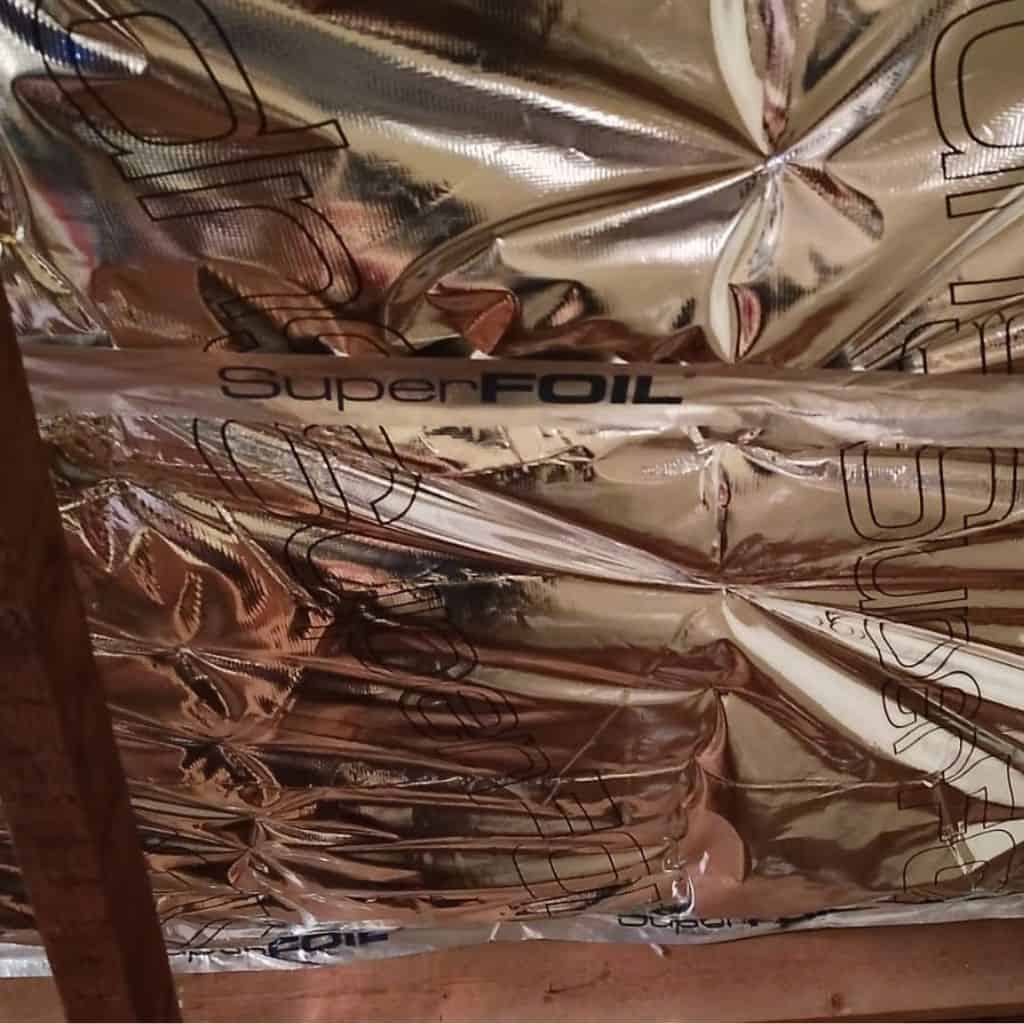
Is Superfoil insulation compliant with UK building regulations and does it meet required U-values?
Superfoil products are LABC Assured, confirming Part L compliance. Meeting building regulations with Superfoil requires the correct air gaps and vapour layers. Each variant has a published R-value that building control accepts when backed by valid certificates. We often pair Superfoil with rigid board or wool to hit the limits Approved Document L sets for extensions, such as 0.18 W/m²K for walls. Over 80% of UK homes were built before 1990 and miss current U-value rules, which makes retrofit insulation one of the most common upgrades we install.
Where can Superfoil insulation be used?
Superfoil insulation is a versatile product that we can design into multiple areas of your home. We choose the build-up and fixing method based on whether it’s going into roofs, walls, or lofts, which gives the best performance without wasting space.
- 1
Roofs
Ideal for lofts, pitched roofs, and flat roofs where head height or build-up depth is limited.
Can be installed under rafters, over rafters, or combined with other insulation to meet modern U-value targets.
Helps reduce heat loss through the roof and makes loft spaces feel warmer, more stable, and more usable year-round.
- 2
Walls
Works well in internal lining projects where you cannot lose much room space. For traditional solid-walled homes, Historic England advises vapour-permeable materials.
Can be fitted between studs or as part of an internal lining system to improve surface temperatures and reduce cold spots.
Helps tackle chilly external walls, making rooms feel more comfortable without extensive structural work.
- 3
Lofts
Perfect for loft conversions, boarding projects, and basic loft insulation upgrades where storage space matters.
Slim profile preserves maximum headroom while delivering strong thermal performance between or over joists.
Reduces draughts from above and creates a more comfortable, energy-efficient loft that’s ready for everyday use.
How long does Superfoil insulation last and does it need maintenance?
Superfoil lasts for the lifetime of the building with no upkeep because foil will not rot or attract pests. Superfoil holds its full rating decade after decade. Many suppliers back it with a long warranty based on independent test data. That long life boosts the energy savings because you never need to top up, refluff, or replace the product. The lower upkeep cuts both cost and disruption over the long run.
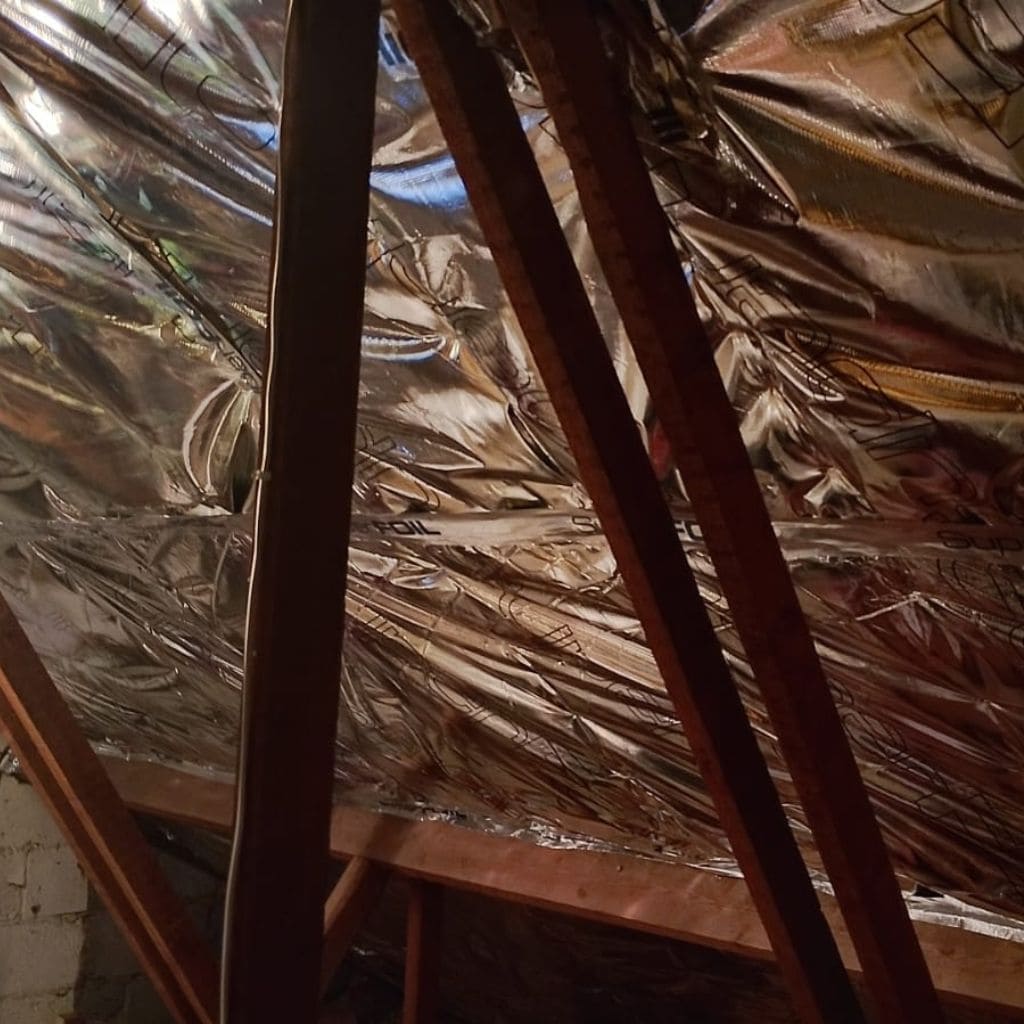
Why Choose Loft Insulation Specialists for Superfoil Insulation in Hampshire?
Award-Winning Insulation Services
We have been recognised as the 'Best Insulation Installation Firm Hampshire - 2023' by the Southern Enterprise Awards, an independent awarding body.

Guaranteed energy savings
We guarantee up to 35% lower energy bills by slashing heat loss, backed by our free survey, transparent results and full satisfaction pledge.
Proven Accredited Reliability
Checkatrade and Google reviews from Hampshire locals verify our punctuality, spotless sites and top-quality services - independent proof we deliver every time.
True Local Hampshire Experts
Fast same-week surveys and quotes, as well as tailored solutions for local projects mean quicker installs and better results than out-of-area firms.
40+ years of experience
With over 40 years of experience in insulation and home improvements, our team quickly diagnoses issues, gives better advice, and delivers installations done right the first time.
No-obligation surveys
Our surveys are always free with zero obligation. No high-pressure sales or jargon: just straightforward facts and options, respecting your decision every time.







Frequently asked questions
Take a look at the Frequently Asked Questions regarding our Superfoil Insulation service.
How should Superfoil be layered with other insulation materials to avoid condensation issues?
The right setup places a vented air gap on the cold side and a sealed barrier on the warm side to stop condensation forming around the Superfoil. Compared with PIR alone, the foil face acts as a low-emissivity shield that controls moisture flow through the structure. Adding multifoil next to rigid PIR blocks both radiant and conducted heat in one build-up. We tape every overlap with foil tape and seal around pipes and cables. We leave a 25mm gap between the outer membrane and the foil face. That gap lets trapped moisture vent out through natural air flow.
What are the main installation mistakes with Superfoil insulation that can ruin its performance?
Three errors during Superfoil insulation installation can wreck results: crushing foil layers, losing the air gap, and leaving joints open. Good vapour control means taping each seam with foil tape to stop warm air reaching the cold side. The full list of benefits (high reflectivity, low emissivity, moisture resistance) drops off once gaps appear in the barrier. Pulling the sheet tight without battens kills the air gap that drives reflective performance. That one mistake can cut R-value by up to half. We always follow the manufacturer’s detail drawings rather than adapting methods from fibre insulation guides.
How does Superfoil insulation affect future access, alterations, or repairs in the roof or loft area?
Superfoil roof insulation is light and easy to cut, lift, or refix for access to wires or pipes. When we’re called back to a loft lined with Superfoil, we can peel back a panel, fix the issue, and retape the foil without breaking the thermal seal. That suits pitched roof projects where future changes or rewiring are likely. Spray foam bonds to timber and tiles permanently, and removing it often damages the structure. Multifoil leaves timbers open and easy to inspect. Surveyors and lenders generally view removable insulation more positively during home checks and valuations.
What evidence is available to prove Superfoil’s performance in real UK homes?
Superfoil insulation for lofts and roofs is LABC Assured and meets its published U-value claims in real conditions. Many homeowners see it as a cost-effective upgrade compared to full re-roofing with rigid board. Field studies of Superfoil wall insulation in older brick properties have recorded several degrees of surface temperature gain on inner walls during winter. Loft insulation in general can save a substantial amount on heating bills each year, and EPC data from assessors gives buyers and renters a clear view of real-world results across different property types.
How can Superfoil insulation be integrated into a whole-house strategy with ventilation, heating systems, and airtightness?
Superfoil works best as one part of a fabric-first plan that pairs insulation with ventilation and efficient heating. Breathable multifoil products sit below counter-battens on pitched roofs while still allowing vapour to move outward. We can lay Superfoil floor insulation between joists to block heat loss downward into garages or crawl spaces. Choosing the right thickness for each element (roof, wall, floor) helps create a balanced thermal shell. Combined with good airtightness, controlled ventilation, and an efficient boiler or heat pump, Superfoil helps keep your home warm in winter and cool in summer without constantly turning the thermostat up.