
Loft Hatch Installation Hampshire
Loft Hatch Installation Services in Hampshire
Loft hatch installation addresses the 30% of heat loss in UK homes that escapes through poorly sealed loft hatches. At Loft Insulation Specialists, we help Hampshire homeowners choose the right sizing, fire ratings, and insulation to meet building regulations. Here’s everything you need to know about replacing your loft hatch or installing a new one.
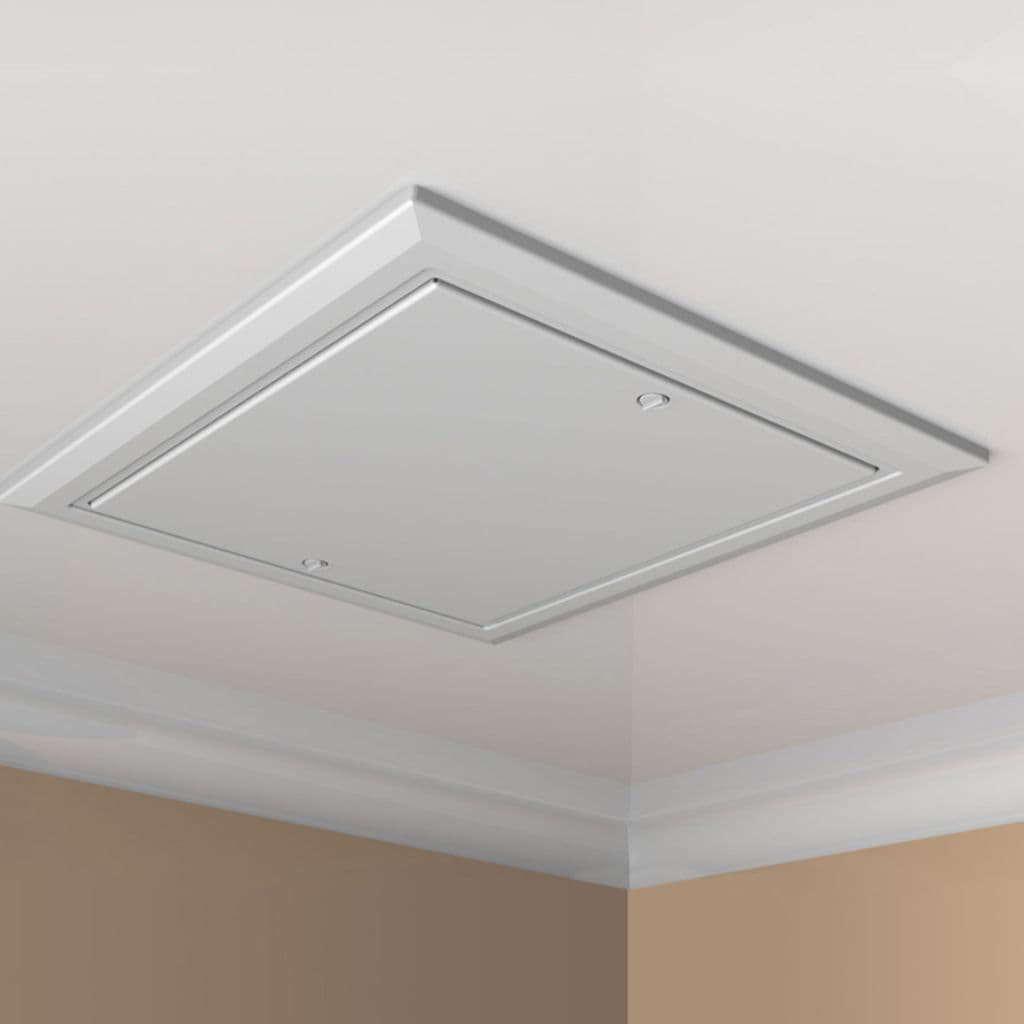
Are loft hatches fire rated?
Most standard loft hatches don’t carry fire ratings unless specifically manufactured for that purpose. Our bespoke loft hatch options include 30-minute and 60-minute fire-rated models for properties requiring them. Fire-rated options cost 40–60% more than standard models. We’ll advise whether building regulations require fire rating for your Hampshire property.
Loft hatch replacement in properties with loft conversions often requires fire-rated doors. The fire rating refers to how long the hatch resists fire penetration. New builds and HMOs frequently need fire-rated hatches as standard. Your local building control office can confirm requirements for your specific situation.
Do loft hatches require building regulations approval?
Loft hatch fitting with Loft Insulation Specialists doesn’t require building regulations approval when simply replacing like-for-like. Enlarging openings may need structural calculations. Our services include building control applications where needed. A loft door with ladder installation creating a new opening always needs approval.
Building regulations focus on structural integrity when you’re cutting ceiling joists. Replacing an existing hatch with the same size opening falls outside controlled work. Enlargement projects need proof that remaining joists can support the ceiling load. We handle these calculations as part of our service.
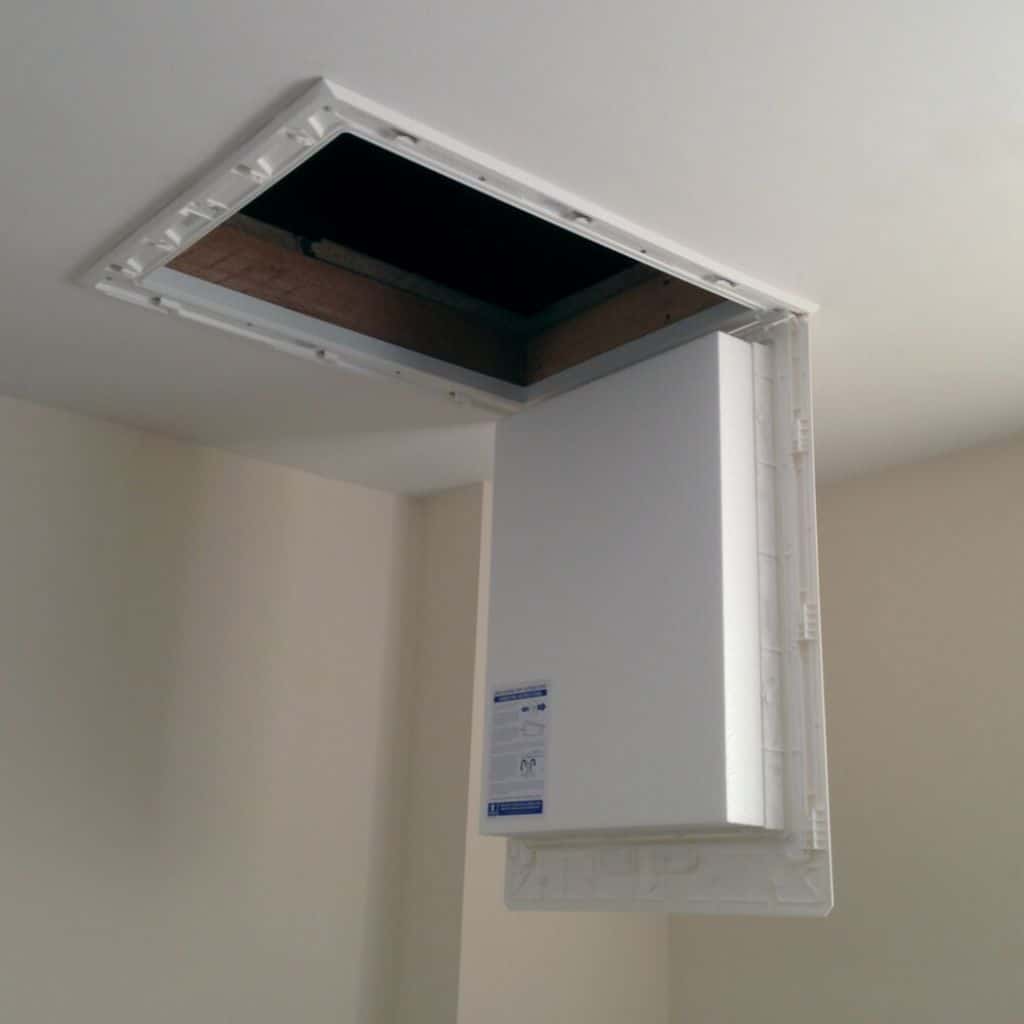
How much does loft hatch installation cost?
Our loft hatch and loft ladder installation costs £600–£850 for standard Hampshire properties. Prices vary based on hatch quality, ladder type, and opening modifications needed. We quote £250–£350 for simple replacements without ladder work. Installing a new loft hatch with enlargement costs £600–£850 including structural work. Simple replacements take 2–4 hours, while a new hatch with enlargement takes 4–6 hours. Complex jobs with joist modifications or fire-rating requirements may push costs higher.
What's the best insulated loft hatch for energy efficiency?
The best insulated loft hatches from Loft Insulation Specialists achieve U-values of 0.35 W/m²K or better, dramatically reducing the 30% of household heat loss that escapes through poorly sealed hatches. Here’s what makes our loft hatch and boarding packages the smartest choice for energy efficiency in Hampshire homes.
- 1
High-Performance Insulation Core
100mm insulation thickness far exceeds old wooden hatches.
Factory-fitted insulation core delivers superior thermal resistance.
Matches Superfoil standards for thin-profile, high-efficiency performance.
- 2
Draught-Proof Compression Seals
Integrated seals around frame edges eliminate air leakage completely.
Prevents draughts equivalent to a 1m² ceiling hole in older installations.
Maintains airtight closure through thousands of open/close cycles.
- 3
EPC-Boosting Design
Upgrades improve energy ratings by 1–3 SAP points automatically.
Energy assessors verify insulation depth and seal integrity on-site.
Compatible with our full loft insulation packages for maximum certification gains.
Does my loft hatch need planning permission for enlargement?
Our loft hatch installers confirm that enlargement doesn’t need planning permission in most cases. Installing new loft hatch openings is an internal alteration, which planning law does not count as development. Custom made loft hatch installations might need listed building consent in protected properties. We check conservation area restrictions during surveys.
Building regulations differ from planning permission. You might not need planning approval but still require building control sign-off for structural changes. Internal ceiling work rarely triggers planning requirements unless you’re altering the external appearance. We’ll check both requirements before work begins.
Why Choose Loft Insulation Specialists for Loft Hatch Installation in Hampshire?
Award-Winning Insulation Services
We have been recognised as the 'Best Insulation Installation Firm Hampshire - 2023' by the Southern Enterprise Awards, an independent awarding body.

Guaranteed energy savings
We guarantee up to 35% lower energy bills by slashing heat loss, backed by our free survey, transparent results and full satisfaction pledge.
Proven Accredited Reliability
Checkatrade and Google reviews from Hampshire locals verify our punctuality, spotless sites and top-quality services - independent proof we deliver every time.
True Local Hampshire Experts
Fast same-week surveys and quotes, as well as tailored solutions for local projects mean quicker installs and better results than out-of-area firms.
40+ years of experience
With over 40 years of experience in insulation and home improvements, our team quickly diagnoses issues, gives better advice, and delivers installations done right the first time.
No-obligation surveys
Our surveys are always free with zero obligation. No high-pressure sales or jargon: just straightforward facts and options, respecting your decision every time.







Frequently asked questions
Take a look at the Frequently Asked Questions regarding our Loft Hatch Installation service.
Does my loft hatch need planning permission for enlargement?
Our loft hatch installers confirm that enlargement doesn’t need planning permission in most cases. Installing new loft hatch openings is an internal alteration, which planning law does not count as development. Custom made loft hatch installations might need listed building consent in protected properties. We check conservation area restrictions during surveys.
Building regulations differ from planning permission. You might not need planning approval but still require building control sign-off for structural changes. Internal ceiling work rarely triggers planning requirements unless you’re altering the external appearance. We’ll check both requirements before work begins.
How do I check if my loft hatch complies with current EPC requirements?
Loft access hatch insulation gets checked during every EPC assessment. Loft hatch with ladder combinations showing poor insulation reduce your energy rating. A loft access hatch with ladder that lacks seals and adequate insulation affects the thermal efficiency score. Energy assessors measure hatch insulation depth and check for visible gaps or draughts.
Your EPC certificate notes loft hatch condition in the recommendations section. Upgrading a poorly insulated hatch can improve ratings by 1–3 SAP points. Our new hatches with factory-fitted insulation meet current standards automatically. Check your latest EPC for specific improvement recommendations.
Can loft hatches affect home insurance validity?
Loft trap door and ladder installations with Loft Insulation Specialists don’t affect standard home insurance policies. Your loft hatch condition won’t void coverage or change premiums in normal circumstances. Loft boarding and ladders increase usable storage without insurance implications. Insurers care about security and fire safety, not access hatch specifications.
Contents stored in lofts receive normal home contents coverage. Declare high-value items stored in your loft space if they exceed single-item limits. Standard policies don’t require notification when installing hatches or ladders. Keep our installation receipts for documentation if needed.
What's the process for made-to-measure loft hatches in listed buildings?
Listed building loft hatch modifications need conservation officer approval before any work starts. Our loft ladders and boarding services include heritage property experience. You’ll need to submit drawings showing proposed hatch location and size.
Conservation officers assess impact on historic fabric and character. They may restrict visible alterations or require specific materials matching existing features. Applications take 8–12 weeks for decisions. Start the process early if you’re planning loft improvements to a protected property.
How often should loft hatch seals and insulation be replaced?
Loft access hatch and ladder seals last 10–15 years before perishing. Hatch and loft ladder combinations need seal checks every 5 years. Worn seals allow draughts that increase heating bills and reduce comfort.
Loft insulation lasts longer than seals. Both Knauf insulation and Superfoil insulation are designed for extreme longevity, often lasting for the lifetime of the building (usually 50+ years). Compression seals around hatch frames deteriorate faster due to repeated opening. Check your seals annually by feeling for draughts around the closed hatch.