
Cavity Wall Insulation Hampshire
Cavity Wall Insulation Services in Hampshire
At Loft Insulation Specialists, we help Hampshire homeowners cut heating bills, stay warmer all year, and improve their property’s energy performance. Did you know about a third of the heat lost from an uninsulated home escapes through the walls? Our cavity wall insulation keeps that warmth inside – saving you around £200 a year on energy bills.
Our team covers everything you need to know: suitability, costs, help with paying, and the installation process. We can also check whether your walls are already insulated and help you raise your EPC rating.
Is Your Home Suitable for Cavity Wall Insulation?
At Loft Insulation Specialists, we exclusively install Superbead EPS cavity wall insulation, a proven system for energy efficiency, durability, and moisture control. Superbead carries KIWA BDA Agrément certification (Cert. BAW-18-057-S-A-UK). Before installation, we carry out a detailed property assessment to confirm that your home’s wall structure, age, and exposure make it suitable for Superbead.
Our goal is simple: to help Hampshire homeowners achieve maximum warmth and long-term savings without risk of damp or performance failure.
Explore the five main factors we assess before recommending installation:
Property Age and Construction Type
Cavity walls are built from two skins of brick, or brick and blockwork, separated by a narrow air gap, usually 50mm or more.
If your home has cavity walls, there’s a strong chance it’s suitable for cavity insulation. Homes built after the 1990s may already have insulation, but we can easily confirm this during our free survey.
Wall Cavity Inspection
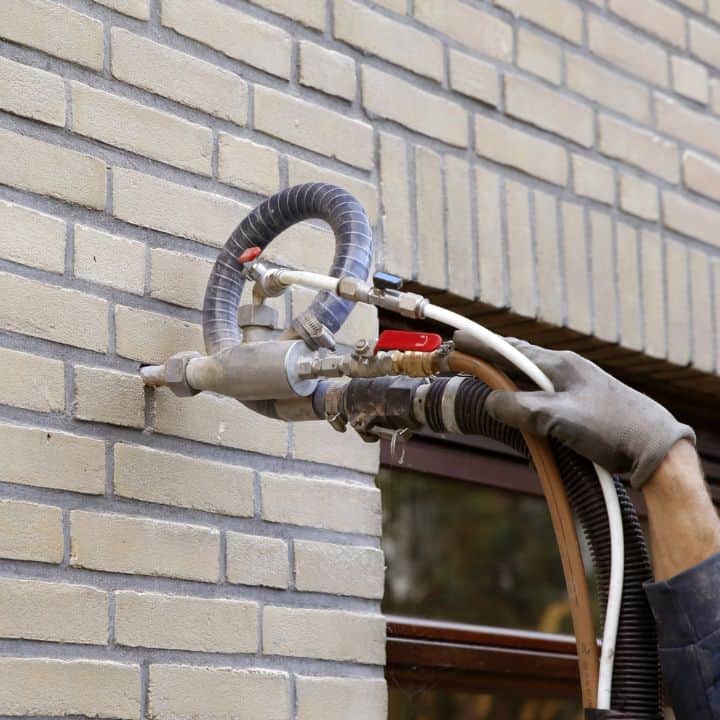
To determine suitability, we use a borescope camera – a small device that lets us inspect inside your wall’s cavity without disruption. This inspection helps us identify:
1. The cavity width and whether it’s clear of debris
2. Any existing insulation materials
3. Wall tie condition and cavity cleanlinessOnce we’ve confirmed your cavity is open and dry, we’ll measure exactly how much Superbead EPS insulation your property needs for full coverage and maximum efficiency.
Exposure to Wind and Rain
Exposure to wind-driven rain is one of the most important factors we assess. While most properties across Hampshire perform brilliantly with Superbead, we pay special attention to coastal areas along the Solent.
Superbead’s unique bonded bead system is moisture-resistant and breathable, making it ideal even for homes facing unpredictable coastal weather. Unlike older foam or fibrous materials, EPS beads won’t soak up water or settle over time.
Compatibility with Superbead EPS Technology
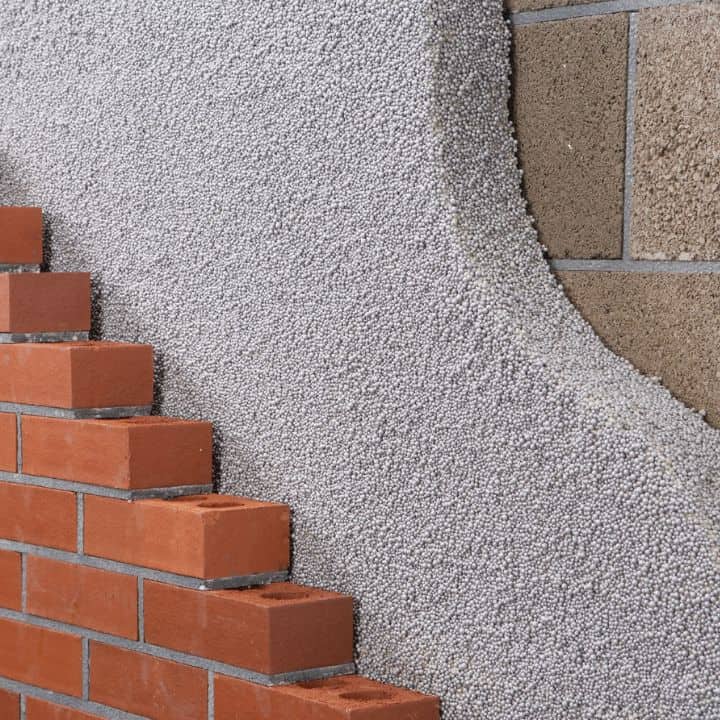
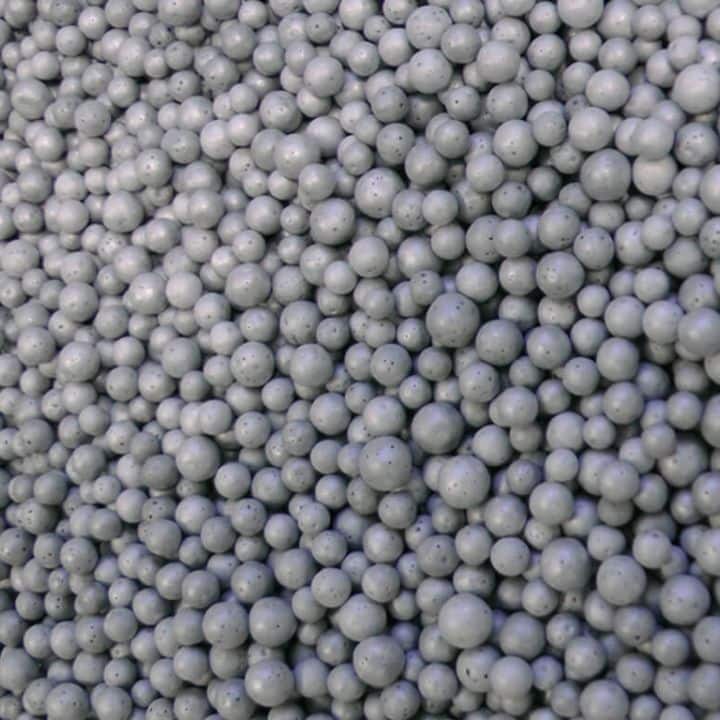
Superbead insulation uses millions of tiny expanded polystyrene beads injected under pressure to completely fill your wall cavity.
Once installed, the beads lock together with a water-repellent additive, creating a continuous and stable thermal barrier.It’s perfect for:
1. Brick or block-built cavity walls
2. Cavity widths over 50mm
3. Homes free from large cracks, widespread spalling (brick faces flaking away), or unresolved damp issuesIf we discover any small defects (like cracked mortar or ventilation gaps), we’ll recommend simple repairs before installation, which protects the insulation’s long-term performance.
Local Property Suitability Across Hampshire
We’ve installed Superbead insulation in thousands of Hampshire homes, from 1930s semis to 1980s detached houses.
Each project begins with a free, no-obligation survey where we confirm all eligibility factors. If your walls meet the Superbead criteria, we’ll provide an exact quotation and projected energy savings specific to your property.
Does cavity wall insulation cause damp?
When properly installed and surveyed, cavity wall insulation does not cause damp. Across the UK, most cavity wall insulation has been completed in suitable homes to a good standard, and genuine problems arise in a small number of cases. Issues only arise when assessments are skipped or pre-existing issues like cracked render or failed wall ties aren’t addressed.
Before every job, we carry out a full survey. That includes checking for existing damp, testing for moisture, checking wall tie condition, and understanding local exposure risks. A seafront property facing sea winds needs a different approach than a sheltered inland home, and we plan the installation around that exposure. If we ever believe your property isn’t suitable, we’ll tell you upfront.
How much does cavity wall insulation cost, and is help with paying available?
Our cavity wall insulation usually costs between £1,250–£3,500, depending on property size and access. Because we’re a local company, our prices often beat national chains while maintaining top-level quality.
Millions of homes across Great Britain have had energy-saving work funded through government schemes. You might qualify for funding through ECO4, which runs until 31 December 2026, if you receive a benefit such as Universal Credit or Pension Credit and your home has an EPC rating of D to G (E to G if it is privately rented). The energy supplier sets the level of funding, and you may be asked to contribute to the cost. We’ll check your eligibility as part of the survey.
What Happens During Installation?
At Loft Insulation Specialists, we make the entire cavity wall insulation process smooth, clean, and quick, and it is usually finished within 2–4 hours for most Hampshire properties. All work takes place outside your home, and our experienced team keeps disruption to a minimum from start to finish.
Here’s what to expect on installation day:
- 1
Property Preparation and Survey Checks
Wall preparation: We mark precise drilling points along mortar joints for even bead distribution.
Access and safety: We position our equipment to keep pathways and driveways clear, protecting your property and surroundings.
Final cavity checks: Using cameras and airflow testing, we re-confirm that the cavities are dry, debris-free, and ready for insulation.
- 2
Superbead Injection and Filling Process
Precision injection: Our technicians fill each section systematically, and every cavity is completely packed with bonded beads.
Thermal efficiency: As the beads settle, they form a solid but breathable barrier that prevents heat from escaping.
On-the-go monitoring: We constantly monitor injection pressure and fill levels to avoid voids, cold spots, or overfilling, which gives a complete fill in one visit.
- 3
Sealing and Finishing Touches
Tidy repairs: Each drill hole is sealed with colour-matched mortar to blend with your existing brickwork.
Clean site policy: We tidy up all equipment and debris, leaving your property spotless and ready for immediate use.
Final inspection: Before we leave, we perform a quality check, walk you through the completed work, and explain your 10-year guarantee backed by the IAA (Installation Assurance Authority) for complete peace of mind.
How much could you save?
Cavity wall insulation can save you around £200 a year on your energy bills. Many customers tell us they’ve been able to turn their thermostat down a couple of degrees while keeping the same comfortable warmth.
Why Choose Loft Insulation Specialists for Cavity Wall Insulation in Hampshire?
Award-Winning Insulation Services
We have been recognised as the 'Best Loft Insulation Installation Firm 2023 – Hampshire' by the Southern Enterprise Awards, an independent awarding body.

Guaranteed energy savings
We guarantee up to 35% lower energy bills by slashing heat loss, backed by our free survey, transparent results and full satisfaction pledge.
Proven Accredited Reliability
Checkatrade and Google reviews from Hampshire locals verify our punctuality, spotless sites and top-quality services - independent proof we deliver every time.
True Local Hampshire Experts
Fast same-week surveys and quotes, as well as tailored solutions for local projects mean quicker installs and better results than out-of-area firms.
40+ years of experience
With over 40 years of experience in insulation and home improvements, our team quickly diagnoses issues, gives better advice, and delivers installations done right the first time.
No-obligation surveys
Our surveys are always free with zero obligation. No high-pressure sales or jargon: just straightforward facts and options, respecting your decision every time.







Frequently asked questions
Take a look at the Frequently Asked Questions regarding our Cavity Wall Insulation service.
What if something goes wrong later?
All our cavity wall insulation work includes a 10-year IAA (Installation Assurance Authority) backed guarantee covering materials and workmanship. That means you’re protected even if we’re no longer trading in the future (though we’re here for the long run).
On rare occasions, insulation may need attention. If that ever happens, we’ll handle any necessary inspections or replacements promptly and transparently.
Unsure if your home is already insulated?
We can confirm within minutes using a borescope inspection. You might also spot filled drill holes along your external walls, a common sign of previous insulation. We can check records with IAA (Installation Assurance Authority) and your local council to find out whether your property was insulated under past government schemes.
Can cavity wall insulation raise your EPC rating and home value?
Yes – it can often improve your EPC rating by 1–2 bands, helping your property move from a D or E rating up to a B or C. An improved EPC not only lowers your running costs but can increase your home’s value by an average of 1–2%.
For landlords, this also helps meet Minimum Energy Efficiency Standards (MEES) for rental properties.
Is any maintenance required?
None at all. Once installed, your insulation will perform for the lifetime of your building. Simply keep your external walls in good condition and maintain ventilation indoors. We’re always here for periodic checks or advice about ongoing home efficiency improvements.
What about older or listed homes?
If your home was built before 1920 or is listed, we’ll start with a careful assessment. Historic England advises that early, narrow cavity walls are unsuitable for cavity fill and should be treated like solid walls. Victorian or Edwardian homes with solid walls may need a different approach.